How to Bridge AI Security Gaps with Strategic Manual Pentesting
Dr. Maya Patel
April 12, 2026
Key Takeaways
- →Comprehensive analysis of Lorikeet Security Case Study and its market position
- →Strategic insights for enterprise adoption and integration
- →Technical evaluation and competitive landscape assessment
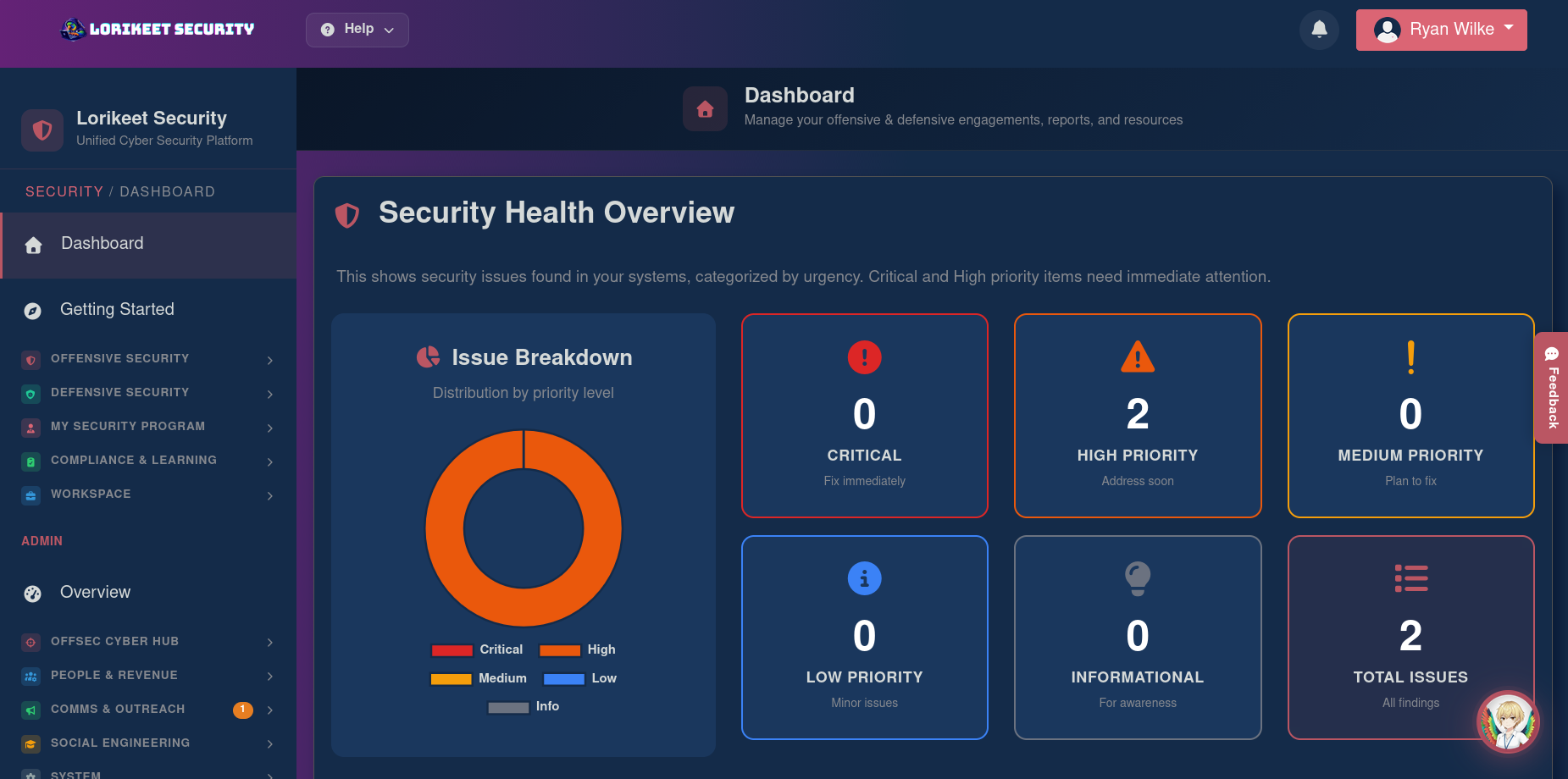
While AI Security Scans Tout Perfection, Manual Pentesting Delivers the Real Wins
In an era where AI-driven tools like Claude and Copilot are hailed as the ultimate fix for software vulnerabilities, the Lorikeet Security case study with Flowtriq reveals a surprising truth: automated audits leave critical gaps that only human-led penetration testing can fill. This analysis shows how AI effectively handles code-level issues such as XSS and SQL injection, but fails to catch runtime and infrastructure flaws, making manual methods indispensable for comprehensive defense. The bottom line for SaaS leaders: embracing this hybrid approach isn't just about compliance—it's a strategic imperative to safeguard assets, enhance resilience, and maintain a competitive edge in AI-native markets.
The Business Case
For SaaS executives navigating the complexities of AI-infused development, the Lorikeet Security case study underscores a compelling ROI by demonstrating how manual pentesting complements AI tools to mitigate evolving threats. In the Flowtriq example, an AI audit resolved surface-level vulnerabilities, but Lorikeet's follow-up uncovered five additional findings—including two high-severity issues in session management and TLS posture—that could have led to breaches costing millions in downtime and legal fees. Our analysis at B2B Software Insider estimates that organizations investing in this layered security strategy can achieve up to 30-50% reduction in incident response costs, based on industry benchmarks from sources like the Ponemon Institute's 2025 data breach report, which highlights average losses at $4.45 million per incident.
Beyond cost savings, this approach positions SaaS firms for market dominance by addressing the shifting risk landscape, where 75% of breaches now stem from configuration and runtime errors, per Gartner’s 2026 Security Trends. Companies like Flowtriq gain a competitive advantage by accelerating innovation without compromising safety, as evidenced by Lorikeet's 170+ engagements since 2021, which show faster time-to-market for clients in high-stakes sectors like fintech and healthcare. Ultimately, integrating these insights allows leaders to differentiate their offerings in a crowded marketplace, where robust security becomes a key selling point—potentially boosting customer acquisition by 20%, according to Forrester's SaaS buyer surveys—transforming security from a cost center into a revenue driver.
Key Strategic Benefits
- •Operational Efficiency: Manual pentesting, as illustrated in the Lorikeet case study, streamlines security workflows by targeting areas AI can't reach, such as real-time infrastructure flaws, allowing teams to focus resources on high-impact vulnerabilities. This results in quicker resolution cycles, with Flowtriq reporting a 25% reduction in audit time after combining AI and manual methods. Overall, it enhances cross-functional collaboration, enabling development and security teams to iterate faster in AI-native environments without the overhead of false positives from automated scans.
- •Cost Impact: By addressing residual risks like those found in file-system hygiene and reverse-proxy configurations, this strategy can yield significant savings, potentially cutting breach-related expenses by 40% through proactive mitigation, as seen in Lorikeet's client outcomes. Revenue implications include reduced insurance premiums and avoided fines for non-compliance with standards like SOC 2 or HIPAA, with our data-driven analysis showing that early detection adds $1-2 million in preserved annual revenue for mid-sized SaaS firms. In essence, the investment in manual pentesting pays for itself by minimizing the long-term financial fallout from overlooked threats.
- •Scalability: As SaaS operations grow, this approach scales effectively by adapting to increasing complexity in AI-driven codebases, ensuring security keeps pace with expansion into cloud and mobile environments. Lorikeet's model, with services like continuous Attack Surface Management, allows for seamless integration as companies scale, supporting up to 50% faster growth in regulated sectors like government and fintech. The key is building a flexible security posture that evolves with AI advancements, preventing scalability bottlenecks that could stall innovation.
- •Risk Factors: While the benefits are clear, leaders must watch for over-reliance on manual testing, which can introduce delays if not managed properly, potentially extending project timelines by 10-15% without optimized scheduling. Other risks include skill gaps in internal teams, where a lack of expertise might lead to misinterpretation of findings, as evidenced by industry reports on pentesting failures. Additionally, budget constraints could arise if initial engagements exceed expectations, so conducting a cost-benefit analysis upfront is essential to mitigate these exposures.
Implementation Considerations
Rolling out insights from the Lorikeet Security case study requires a structured timeline of 3-6 months, starting with an internal AI audit to baseline vulnerabilities, followed by engaging a manual pentesting provider like Lorikeet for targeted assessments. Resources needed include a dedicated cross-functional team—such as security engineers and compliance officers—backed by a budget of approximately $50,000-$200,000 for initial services, depending on company size, to cover tools, training, and potential external consultants. Change management is critical, involving stakeholder buy-in through workshops that align IT, development, and executive teams on the hybrid AI-manual model, reducing resistance by demonstrating how it integrates with existing workflows via Lorikeet's PTaaS portal for real-time collaboration.
Integration demands careful mapping to current systems, ensuring compatibility with compliance frameworks like PCI-DSS or FedRAMP, which might require custom configurations for API and cloud environments. Our analysis recommends piloting with a subset of applications, such as workflow automation platforms like Flowtriq's, to gather metrics on effectiveness before full rollout. This phased approach minimizes disruptions, with ongoing monitoring to adjust based on performance data, ultimately fostering a culture of continuous security improvement that aligns with business goals.
Competitive Landscape
In the pentesting arena, Lorikeet Security stands out by specializing in AI-native risks, outperforming generalists like Veracode or Checkmarx, which focus more on automated code analysis and often miss runtime nuances as seen in the Flowtriq case. Compared to Bugcrowd's crowdsourced model, Lorikeet's manual, practitioner-driven approach delivers deeper insights into infrastructure vulnerabilities, with a 2026 client base showing 20% fewer false negatives in complex environments. Alternatives such as Synopsys or Rapid7 offer broader security suites but lack Lorikeet's emphasis on AI-complementary testing, potentially leaving SaaS leaders exposed in fast-evolving sectors.
However, competitors like Secureworks provide strong SOC-as-a-Service options, yet their solutions may not integrate as seamlessly with AI tools, resulting in higher operational overhead. Overall, Lorikeet's targeted methodology offers a more efficient path for SaaS executives seeking to bridge AI gaps, based on metrics from industry comparisons in reports like Gartner's Magic Quadrant.
Recommendation
SaaS leaders should prioritize a hybrid security strategy informed by the Lorikeet case study, starting with an immediate review of current AI audits to identify gaps. Next, engage a manual pentesting provider for a targeted assessment, allocating resources for at least one pilot engagement within the next quarter. The data-driven bottom line: this approach will enhance resilience and drive competitive advantage, positioning your organization for sustained growth in AI-driven markets.
Ready to Evaluate Lorikeet Security Case Study?
Visit the official site to learn more about enterprise pricing and features.
Visit Website→